 Luxury once belonged to a world of velvet ropes, invitation-only previews, and price tags that felt more like works of fiction than reality. But the fashion landscape has evolved dramatically. Today, a striking shift is taking place—one that makes sophistication, craftsmanship, and aspirational design available to a wider audience than ever before. This movement is known as accessible luxury, and it’s redefining what it really means to indulge, invest, and express personal style.
The momentum behind this trend isn’t subtle. As digital shopping expands, sustainability gains importance, and consumers gravitate to timeless pieces instead of disposable trends, accessible luxury is emerging as one of the most powerful forces in modern fashion. It offers a thoughtful alternative to fast fashion without demanding the steep prices of traditional high-end labels. It’s where aesthetics meet practicality and where shoppers find premium quality that fits seamlessly into everyday life.
Whether you’re hunting for timeless investment pieces, exploring sustainable options, or seeking elevated style without overspending, accessible luxury opens the door to a world of refined fashion choices. Let’s explore what makes this movement so influential—and why it’s reshaping wardrobes across the globe today.

What Exactly Is Accessible Luxury?
Accessible luxury sits between mainstream fashion and exclusive designer houses. It offers a refined mix of elegance, craftsmanship, and elevated materials—yet priced low enough that a broader range of shoppers can enjoy them. These items feel premium and polished but remain grounded in real-world practicality.
What you’ll often find in accessible luxury:
-
High-quality materials like premium vegan leather, brushed cotton, merino wool, or well-treated genuine leather
-
Thoughtful craftsmanship and construction
-
Sleek, minimalist, or designer-driven aesthetics
-
Branding that leans subtle rather than flashy
-
Prices that strike a balance—elevated but not unreachable
This is especially appealing as more shoppers move away from fast fashion, preferring fewer pieces that last longer, look cleaner, and feel better on the skin. And as the global middle class grows, this segment of the fashion world continues to accelerate. According to data, the accessible luxury industry is expected to reach upwards of USD 412–577 billion by 2034, depending on the forecast, reflecting consistent annual growth.
Accessible luxury isn’t “budget luxury”—it’s intentional, quality-focused, lifestyle-driven luxury.
Why Accessible Luxury Is Booming Right Now
1. The global middle class—and their aspirations—are growing.
Across Asia-Pacific, Latin America, and parts of Europe, consumer spending power is rising. People want more distinctive, long-lasting pieces that go beyond fast-fashion basics. This fuels demand for brands that combine thoughtful design with attainable pricing.
Asia-Pacific, in particular, now accounts for roughly 36–39% of accessible luxury sales worldwide.
2. E-commerce made premium shopping feel effortless.
From livestream shopping to same-day delivery and digital wallets, online fashion has transformed how people buy luxury. Accessible luxury thrives in this digital-first world:
-
Global availability
-
Transparent reviews
-
Easy returns
-
Style comparisons at your fingertips
Shoppers no longer need a luxury district nearby—they just need a phone.
3. A shift toward sustainability and slow fashion.
Fashion lovers today want to feel good about what they wear—not just because it looks great, but because it aligns with their values. In 2024, more than 50% of accessible-luxury shoppers considered sustainability a top priority.
Accessible luxury supports this shift by offering pieces designed to last and brands that frequently incorporate eco-friendly materials or ethical production practices.
4. Subtlety is the new status symbol.
Oversized logos and loud branding are fading. Minimalism, quiet luxury, and understated sophistication are taking center stage. Accessible luxury is perfectly positioned here: brands often focus on craftsmanship over logos, elevating the everyday wardrobe in subtle, meaningful ways.
5. The resale boom supports smarter buying.
Resale platforms have transformed the fashion cycle, turning clothes into investments rather than expenses. This makes accessible luxury even more appealing because its pieces often keep their value better than fast fashion.
Even major online retailers now integrate authenticated pre-loved luxury selections.
The Market Landscape: Where Accessible Luxury Stands in 2025
Accessible luxury isn’t just a trend—it’s a thriving global category and one of the strongest performers in fashion today.
Key insights from current research:
-
Market value in 2025 is ~USD 276.9B to USD 378.5B, depending on the data source.
-
It is projected to hit USD 412B to USD 577B by 2034.
-
Apparel and footwear dominate, representing over 40% of sales.
-
Asia-Pacific leads growth, followed by North America and Europe.
This is strong, sustained progress—not the short-lived trend some predicted years ago.
Leading Accessible Luxury Brands Elevating Everyday Style
Some brands have become household favorites for stylish shoppers who want refined fashion without steep luxury pricing. Many of these names have built global followings by presenting fresh designs and dependable quality at mid-range prices.
Here are standout brands defining accessible luxury today:
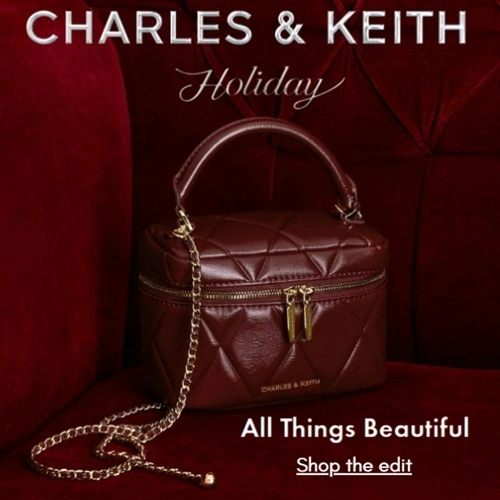
1. Charles & Keith
Singapore’s globally loved powerhouse is known for clean lines, playful geometry, and consistent innovation in accessories.
2. Pedro
A sibling brand to Charles & Keith, Pedro delivers modern, smart footwear and bags with a polished yet approachable aesthetic.
3. Aldo
A staple in over 100 countries, Aldo blends trend-forward designs with durability, making premium style widely accessible.
4. Call It Spring
A 100% vegan brand offering sustainable footwear and accessories without compromising style.
5. COS
A masterclass in Scandinavian minimalism—elevated basics, neutral palettes, and timeless silhouettes that feel both modern and enduring.
6. Mango
The Spanish favorite delivers runway-inspired yet wearable collections, frequently updated and easy to shop worldwide.
7. JW Pei
Beloved for vegan leather bags that combine sustainability with celebrity-adored style.
8. Nine West
From red carpets to everyday outfits, Nine West balances refinement and trend-awareness with ease.
9. Dune London
A British brand known for elevated footwear with meticulous detailing and classic European influence.
10. Guess
Originally built on denim, Guess now offers chic handbags, accessories, and contemporary athleisure with a recognizable aesthetic.
Accessible luxury has also expanded to include fast-rising European brands like Polène, Sézane, and Soeur, which champion craftsmanship, natural materials, and understated French style.
What Sets Accessible Luxury Apart? Key Features Shoppers Value
Premium craftsmanship without the premium price.
Stitching, lining, materials, and hardware—accessible luxury offers noticeable upgrades compared to mass-market fashion.
Strong brand identity rooted in authenticity.
These brands understand modern consumers: the desire for subtlety, ethical choices, and meaningful connections.
More transparency and sustainability.
From vegan leather innovations to eco-certified materials and cleaner production practices, many accessible luxury labels actively evolve with consumer expectations.
Digital-first shopping experiences.
Virtual styling, augmented reality try-ons, personalized feeds, mobile-first storefronts—this segment excels in digital convenience.
Source: https://www.resolvedigital.com/blog/luxury-ecommerce-market-statistics-and-trends-in-2025-5kida
Smart Shopping Guide: How to Build an Accessible Luxury Wardrobe
1. Prioritize long-lasting materials.
Look for:
-
Full-grain or high-quality vegan leather
-
Organic cotton
-
Wool blends
-
Durable hardware such as metal zippers or reinforced seams
Quality materials ensure pieces age well—and often look better over time.
2. Invest in timeless silhouettes.
Great categories to start with:
-
Structured handbags
-
Clean white sneakers or leather loafers
-
Tailored coats
-
Minimalist watches
-
Classic jeans
These items never go “out of season.”
3. Shop strategically online.
Take advantage of:
-
Virtual try-ons
-
Customer reviews
-
Size guides
-
Price tracking tools
Many accessible luxury brands offer limited collections that sell out quickly—digital savviness pays off.
4. Mix high and low.
Pair a premium handbag with budget-friendly denim or combine accessible-luxury footwear with everyday basics. This keeps outfits balanced and elevated without excess spending.
5. Explore the resale market.
Buying or selling accessible luxury pre-loved items helps:
-
Reduce waste
-
Extend the lifespan of quality goods
-
Stretch your budget further
With verified authentication tools expanding, resale feels safer and smarter than ever.
Source: https://www.vogue.com/article/connecting-luxury-in-the-age-of-authentication
The Shifting Luxury Landscape: Why High-End Luxury Is Losing Its Grip
A recent analysis from Bain & Co. reveals that global high-end luxury is expected to shrink another 2% in 2025, marking two consecutive years of downturn.
Source: https://apnews.com/article/146e0833e20efded9b3cf772f6d2c722
Why it matters:
-
Price hikes at major luxury houses outpaced perceived quality.
-
Younger consumers view overtly branded luxury as outdated.
-
Economic uncertainty encourages more value-conscious shopping.
-
Resale platforms offer accessible alternatives to buying brand-new.
What does this mean?
Accessible luxury is filling a gap—offering elevated style without the inflated pricing that no longer matches consumer expectations.
The Future: What’s Next for Accessible Luxury?
Sustainability becomes non-negotiable.
Expect more brands to adopt recycled fibers, cruelty-free materials, and circular design practices.
Digital fashion and virtual closets rise.
Try-ons through AR, wardrobe planning tools, and digital-only fashion pieces are becoming increasingly mainstream.
Hybrid luxury: The blend of physical and digital prestige.
Authentication tools, digital passports, and blockchain-backed certificates help buyers ensure the value and legitimacy of each purchase.
More emphasis on “quiet luxury.”
Clean lines, sophisticated neutrals, and timeless designs will remain dominant style themes.
Accessible luxury is not an alternative to traditional luxury—it’s the evolution of luxury itself.
Conclusion
Accessible luxury has transformed the fashion world by showing that sophistication doesn’t need to come with an extravagant price tag. It celebrates craftsmanship, ethical values, and timeless design while remaining approachable and practical. For modern fashion enthusiasts, this category provides an ideal way to elevate personal style through pieces that are both meaningful and enduring.
As technology modernizes shopping, as sustainability becomes essential, and as the global fashion mindset evolves, accessible luxury continues to stand at the center of fashion’s future. It represents a smarter, more conscious approach to dressing—one that blends elegance, quality, and everyday wearability.
Fashion lovers today no longer need to choose between extravagance and affordability. With accessible luxury, they can have both.