Have you ever gone to bed early, avoided caffeine, and still woken up feeling tired? You might blame stress, screen time, or your mattress. But there is one powerful factor many people overlook: window curtains at bedroom. The way your bedroom handles light—both at night and in the early morning—plays a direct role in how well you sleep and how refreshed you feel when you wake up.
Sleep science is clear: light exposure controls your internal clock, hormone release, and sleep cycles. The right window curtains at bedroom can reduce sleep disruptions, improve melatonin production, and help your body follow a healthy rhythm. In this detailed guide, we will explore how curtains affect sleep, what research says, practical ways to choose the right ones, common mistakes to avoid, and how small changes can transform your rest.

Why Light Control Is Critical for Quality Sleep
Understanding Your Body’s Internal Clock
Your body follows a 24-hour rhythm called the circadian rhythm. According to the National Sleep Foundation, exposure to light is the strongest signal that regulates this rhythm. Light tells your brain when to be alert. Darkness tells it to produce melatonin—the hormone that promotes sleep.
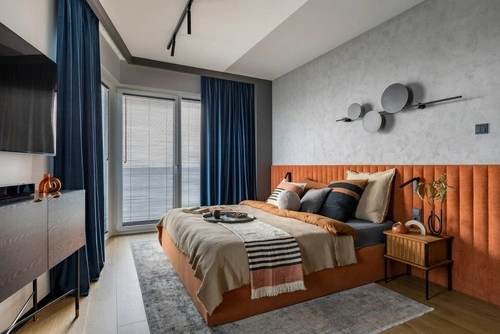
When unwanted light enters your room at night—streetlights, car headlights, neighboring buildings, or early sunrise—it can:
-
Suppress melatonin production
-
Cause micro-awakenings (brief sleep disruptions you may not remember)
-
Reduce deep sleep stages
-
Make you feel groggy in the morning
This is where window curtains at bedroom become more than just décor. They are a practical tool for managing your sleep environment.
The Science Behind Light and Sleep
1. Melatonin and Darkness
Research published by the National Institutes of Health shows that even low levels of artificial light at night can interfere with melatonin secretion. Reduced melatonin can lead to:
-
Shorter total sleep time
-
Fragmented sleep
-
Increased daytime fatigue
2. Artificial Light at Night (ALAN)
A study referenced by the Sleep Foundation explains that artificial light exposure during sleep is linked to poorer sleep quality and metabolic changes. People sleeping in rooms with ambient light tend to report lower sleep satisfaction.
3. Morning Light Timing
While darkness is crucial at night, controlled exposure to morning light helps reset your rhythm. Good window curtains for the bedroom allow you to manage when and how light enters—so you are not woken abruptly at 5:30 AM in summer.
How Window Curtains at Bedroom Improve Sleep
Let’s break it down into clear benefits.
1. Block External Light
Blackout curtains can block up to 99% of outside light. This is especially helpful if you:
-
Live in a city
-
Work night shifts
-
Have bright security lights outside
-
Live in northern regions with long summer days
2. Reduce Sleep Disruptions
Even small flashes of light from passing cars can trigger subtle brain responses. High-quality window curtains at bedroom create a stable, dark environment that supports uninterrupted sleep cycles.
3. Improve Temperature Regulation
Thermal curtains can:
-
Block summer heat
-
Reduce winter cold drafts
-
Maintain a consistent sleeping temperature

The ideal sleep temperature is around 60–67°F (15–19°C), according to the National Sleep Foundation.
4. Enhance Privacy and Relaxation
Privacy reduces stress. When you feel secure in your bedroom, your body relaxes more easily. Curtains create a psychological boundary between you and the outside world.
Types of Window Curtains for Bedrooms and Their Sleep Impact
Here is a simple comparison:
| Type of Curtain | Light Blocking | Best For | Sleep Benefit |
|---|---|---|---|
| Sheer Curtains | Low | Daytime privacy | Minimal sleep support |
| Room-Darkening | Medium | Suburban homes | Reduces early light |
| Blackout Curtains | High (95–99%) | Cities, shift workers | Maximizes melatonin |
| Thermal Curtains | Medium–High | Extreme climates | Temperature stability |

Real-Life Example: Urban Apartment vs Suburban Home
Case Study 1: City Apartment
Emma lives in a downtown apartment with streetlights and traffic. She reported waking up 2–3 times nightly. After installing blackout window curtains at bedroom:
-
Night awakenings reduced
-
Sleep duration increased by 45 minutes
-
Morning energy improved
Case Study 2: Suburban Family Home
Mark lives in a quiet area but struggles in summer when sunrise hits at 5 AM. Switching to layered curtains (sheer + blackout) allowed him to control light better. Result: more consistent wake-up time and improved mood.
Step-by-Step Guide: Choosing the Right Window Curtains for the Bedroom
Step 1: Assess Your Light Exposure
Ask yourself:
-
Are there streetlights outside?
-
Do car headlights shine in?
-
Does early sunrise wake you?
-
Do you work night shifts?
Step 2: Choose Fabric
-
Polyester blends for full blackout
-
Triple-weave fabric for insulation
-
Heavier fabrics for noise reduction
Step 3: Measure Correctly
Curtains should:
-
Extend 6–12 inches wider than the window
-
Hang close to the ceiling
-
Touch or slightly pool on the floor
This prevents light gaps.
Step 4: Consider Color
Contrary to myth, color does not determine blackout ability—lining does. However:
-
Darker shades may absorb more heat
-
Neutral tones promote a calming atmosphere
Common Mistakes to Avoid
-
Buying Too Narrow Curtains
Light leaks from the sides. -
Mounting Too Low
Reduces coverage. -
Ignoring Curtain Lining
Always check for blackout backing. -
Choosing Style Over Function
Sheer curtains alone rarely support optimal sleep. -
Forgetting Seasonal Changes
You may need heavier curtains in winter.
Seasonal Considerations
Summer
Summer creates unique sleep challenges, especially when it comes to light and temperature regulation.
-
Early sunrise – Longer daylight hours mean sunlight can enter your room as early as 5 a.m., disrupting your natural sleep cycle.
-
Increased heat – Direct sun exposure through windows can significantly raise bedroom temperature during the day.
-
Extended daylight hours – Your body may struggle to recognize bedtime if the room stays bright late into the evening.
Blackout thermal curtains help maintain darkness and coolness by blocking early morning light and reducing solar heat gain. This supports melatonin production and keeps the bedroom temperature more stable, which is essential for uninterrupted sleep.
Winter
Winter presents a different set of environmental stressors.
-
Cold drafts – Windows are one of the biggest sources of heat loss in a home.
-
Short daylight hours – Limited natural light during the day makes quality nighttime sleep even more important for energy balance.
Thermal window curtains at bedroom act as an insulating barrier, preventing heat from escaping and blocking cold air infiltration. This helps maintain a consistent indoor temperature, reduces nighttime chills, and improves overall comfort—making it easier to fall asleep and stay asleep.
Lifestyle Considerations
Shift Workers
For shift workers, daytime sleep must mimic nighttime conditions as closely as possible.
-
Complete darkness during daytime sleep is essential because sunlight directly suppresses melatonin production.
-
Even small light leaks around curtain edges can reduce sleep depth and shorten total sleep time.
-
Consistent darkness also helps regulate irregular circadian rhythms.
Blackout curtains are highly recommended for anyone sleeping during daylight hours. For best results, combine them with wraparound rods or side seals to eliminate light gaps and create a true “night-like” environment.
Parents with Young Children
Children are especially sensitive to environmental light changes.
-
Controlled morning light prevents very early wake-ups, particularly during summer when sunrise comes earlier.
-
Darker rooms help reinforce nap schedules and consistent bedtimes.
-
A predictable sleep environment reduces overstimulation before bed.
Installing properly fitted window curtains at bedroom can make a noticeable difference in helping children sleep longer and wake up at more appropriate times.
Light-Sensitive Sleepers
Some individuals are biologically more sensitive to light exposure.
-
Even small amounts of ambient light can disrupt REM sleep cycles.
-
Light exposure may increase micro-awakenings that the sleeper does not consciously remember.
-
Chronic light disturbance can lead to daytime fatigue.
If you identify as a light-sensitive sleeper, invest in high-quality, tightly woven curtains designed specifically for maximum light blocking. Layering blackout curtains with blinds can provide additional protection.
Additional Sleep Environment Tips
Window curtains at bedroom work best when combined with other healthy sleep habits. Sleep quality improves when environmental control and behavior work together.
Consider the following:
-
Limit screen use 1 hour before bed – Blue light from phones and tablets delays melatonin release.
-
Use warm lighting at night – Soft, amber-toned bulbs signal the brain that bedtime is approaching.
-
Maintain a consistent bedtime – Going to sleep and waking up at the same time strengthens your internal clock.
-
Keep electronics out of sight – Visible devices can increase mental stimulation and reduce relaxation.
-
Use white noise if needed – Consistent background sound can mask traffic or household noise.
Sleep hygiene is a system—not a single solution. Window curtains at bedroom are a powerful component, but they work best when combined with consistent routines and a thoughtfully designed sleep environment.
Frequently Asked Questions
Do blackout curtains make a room too dark?
Only when fully closed. You control when to open them.
Are blinds enough?
Blinds often allow light gaps. Curtains provide better coverage.
Can curtains improve mental health?
Indirectly, yes. Better sleep supports mood regulation and cognitive function, according to the Centers for Disease Control and Prevention.
Are expensive curtains worth it?
Higher-quality options often provide:
-
Better stitching
-
Improved insulation
-
Longer durability
But mid-range blackout curtains can also be effective.
The Psychological Effect of a Dark Bedroom
Darkness does more than block light—it sends a powerful psychological signal to the brain that it is safe to rest.
Humans evolved to sleep in low-light or fire-lit environments for thousands of years. Widespread artificial lighting is a relatively recent development in human history. Because of this, our brains are still wired to associate darkness with security, recovery, and restoration.
When a bedroom remains dim or illuminated at night:
-
The brain stays slightly alert
-
Stress hormones may remain elevated
-
Sleep depth can be reduced
Managing light with properly installed window curtains at bedroom helps align your sleep environment with biological expectations. A consistently dark room reinforces the mental cue that “this is a place for rest,” improving relaxation and reducing pre-sleep anxiety.
Over time, that association becomes stronger. Simply entering a dark, calm bedroom can trigger faster sleep onset because your brain recognizes the pattern.
Cost vs Benefit Analysis
Many people hesitate to upgrade their sleep setup, assuming improvements require expensive mattresses or technology. In reality, improving window curtains at bedroom is one of the most cost-effective sleep upgrades available.
Average blackout curtains:
$30–$150, depending on size, material, and brand.
Potential Benefits:
-
Better focus during the day
-
Improved mood stability
-
Reduced fatigue
-
Higher productivity
-
More consistent energy levels
When you consider that adults spend roughly one-third of their lives sleeping, even small improvements in sleep quality can have a meaningful long-term impact.
Compared to ongoing costs like caffeine, energy supplements, or productivity tools, high-quality window curtains at bedroom represent a one-time investment with daily returns. Given the well-established connection between sleep and overall health, this is a relatively small expense with potentially high benefits.
Why Twopage Window Curtains Are a Smart Choice for Bedroom Use
If you’re upgrading your window curtains at bedroom, Twopages Window Curtains offer a strong balance between performance and design flexibility. One of their standout advantages is extensive customization, with a wide selection of fabrics, colors, textures, and lining options available through twopages.com. This allows homeowners to tailor curtains not only to their décor style but also to their specific sleep needs. Their collections include blackout and thermal-lined options, which are especially valuable for blocking early morning light, reducing glare, and maintaining a darker sleep environment. For anyone sensitive to light or living in urban areas, this level of customization makes a noticeable difference.
Beyond aesthetics, Twopages focuses on functionality and insulation performance, which directly supports better sleep quality. Their blackout fabrics are designed to significantly reduce incoming light, while thermal linings help regulate room temperature by limiting heat gain in summer and heat loss in winter. This combination improves comfort, stabilizes the sleep environment, and enhances privacy. Additionally, the brand provides clear measurement guidance and hardware options, making installation more precise and reducing light gaps—an important detail when optimizing window curtains at bedroom for deep, uninterrupted rest.
Conclusion
Window curtains at bedroom are not just decorative pieces. They are functional tools that directly influence light exposure, melatonin production, sleep cycles, and temperature control. Research from reputable organizations confirms that controlling light is one of the most effective ways to improve sleep quality. Whether you live in a busy city or a quiet suburb, optimizing your bedroom’s light environment can significantly reduce sleep disruptions and enhance recovery.
If you want to wake up refreshed, start with your sleep environment. Assess your light exposure, choose the right curtain type, install them properly, and combine them with healthy sleep habits. Small adjustments can create measurable improvements. Investing in quality window curtains at bedroom is a practical, science-backed step toward better sleep and brighter mornings.
The Reason We Rewrote This Article
We rewrote this article to inspire and educate readers about a simple yet powerful sleep upgrade. Many people struggle with fatigue without realizing that their bedroom environment plays a central role. By understanding how window curtains at bedroom affect sleep quality, readers can make informed decisions that improve daily energy, focus, and overall well-being.
Sources
-
National Sleep Foundation – Light and Sleep
https://www.sleepfoundation.org/bedroom-environment/light-and-sleep -
National Institutes of Health – Effects of Light Exposure on Melatonin
https://www.ncbi.nlm.nih.gov/pmc/articles/PMC4334454/ -
Centers for Disease Control and Prevention – Sleep and Health
https://www.cdc.gov/sleep/about_sleep/how_much_sleep.html